Good Earth Expedition
Climbing Mount Kilimanjaro is not just an adventure; it is a transformative journey that offers a wealth of life-changing benefits. As the tallest free-standing mountain in the world, Kilimanjaro attracts thousands of trekkers each year, drawn by its majestic beauty and the challenge of reaching its summit. Beyond the breathtaking vistas and physical achievement, climbers often experience profound personal growth, forge deep connections with local cultures, and develop a heightened sense of environmental awareness. This article explores the allure of Kilimanjaro, provides essential preparation tips, and delves into the incredible benefits that await those who dare to reach for the skies.
The Allure of Kilimanjaro: A Mountain Like No Other
Overview of Kilimanjaro’s Unique Features
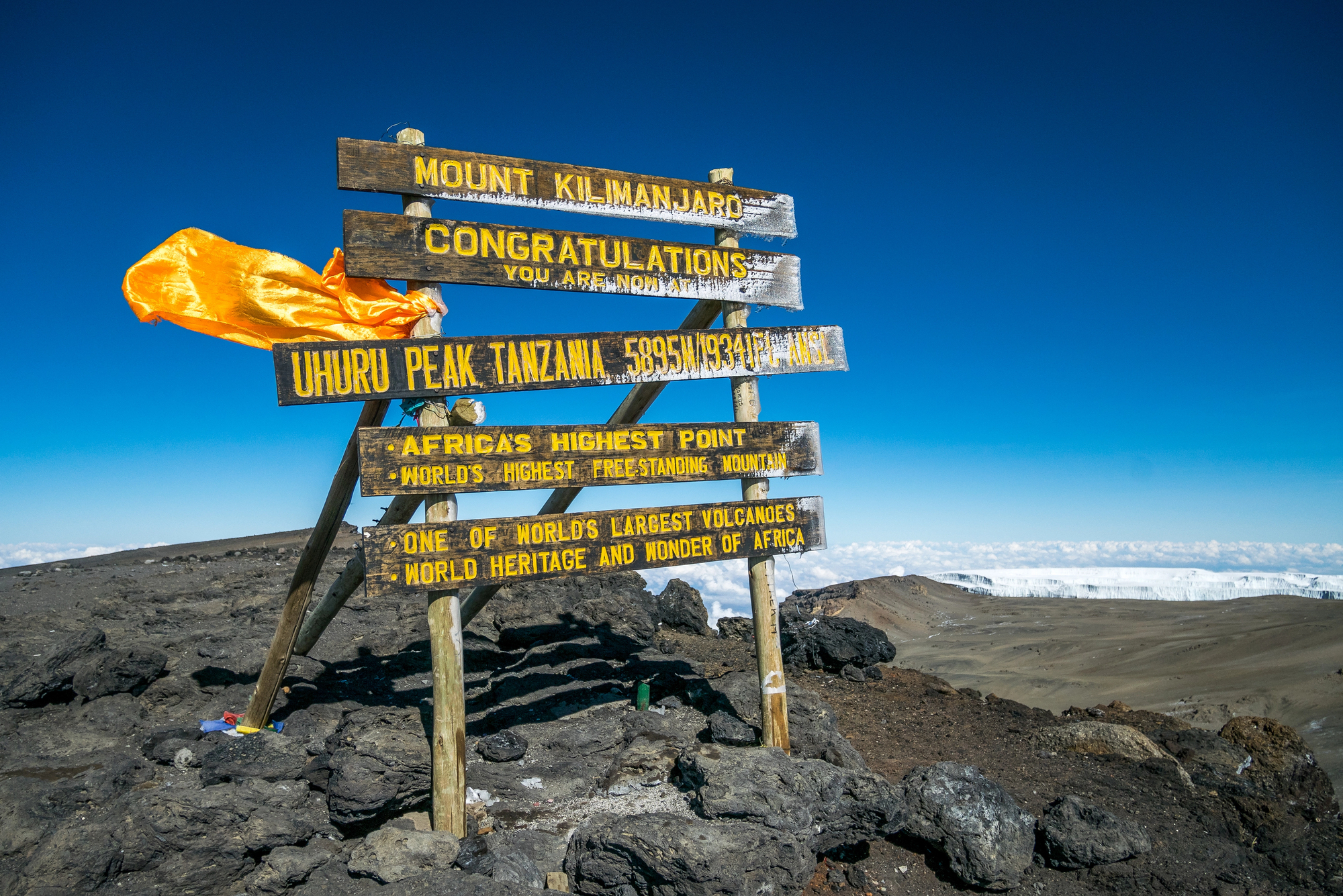
Kilimanjaro, the crown jewel of Tanzania, isn’t just a pretty face; it’s the highest mountain in Africa, standing tall at 19,341 feet. What sets it apart? Its unique ecosystems that change dramatically as you ascend. From lush rainforests teeming with wildlife at the base to the stunning glaciers and alpine desert up top, Kilimanjaro is like Mother Nature’s very own buffet. You’ll hike through five distinct climate zones, each more breathtaking than the last. Pro tip: bring a camera and a little extra memory—each level gives Instagram-worthy shots that are sure to make your friends jealous!
Historical Significance and Climbing Legacy
Kilimanjaro has a rich history that’s as captivating as the views from its summit. First summited by Hans Meyer and Ludwig Purtscheller in 1889, this mountain has since attracted adventurers and casual hikers alike. It’s not just a hike; it’s a rite of passage for many. Climbing Kilimanjaro is a bucket list item for thousands, and it boasts a legacy that’s deeply woven into the fabric of adventure travel. The mountain invites you to join a storied lineage of climbers, each leaving their mark on this majestic giant.
Preparing for the Climb: Essential Tips and Gear
Physical Training and Conditioning
Before you tackle Kilimanjaro, it’s crucial to get your body ready—think of it as prepping for a marathon, except with more breathtaking views and fewer awkward water stations. Start a training regimen that includes cardio, strength training, and lots of walking uphill (seriously, find some hills!). Don’t forget to practice hiking with a backpack, as you’ll be carrying your essentials like a pro. Your legs will thank you, and so will your soul when you’re standing on the rooftop of Africa!
Essential Gear Checklist
Packing for Kilimanjaro is an art form. You need gear that keeps you warm, dry, and ready to face anything Mother Nature might throw at you. Essential items include a sturdy pair of trekking boots (choose wisely; your feet will be your best friends), moisture-wicking layers, a reliable sleeping bag for those chilly nights, and a good-quality daypack. Don’t skimp on the snacks—your body will need fuel, and let’s be honest, chocolate is always a good idea!
Choosing the Right Route and Timing
Kilimanjaro has several routes, each with its own flair and level of difficulty. The Machame Route offers stunning vistas and a bit of a challenge, while the Marangu Route is the “coca-cola” option—easier but still fulfilling. Timing is also crucial; the best months to climb are usually January to March and June to October. These months tend to bring milder weather, less rain, and more chances to avoid running into a rogue snowstorm. Plan accordingly, and you’ll be one step closer to that summit selfie!
Physical and Mental Benefits of Climbing Kilimanjaro
Enhancing Physical Fitness and Endurance
Climbing Kilimanjaro is like joining a high-altitude gym, with added views and possibly a few more sweaty shirts. You’ll develop incredible endurance while tackling challenging terrains, and your cardiovascular health will thank you for it. Not to mention, you’ll be feasting on some delicious post-climb carbs guilt-free. By the end, you’ll not only have climbed a mountain but also have an impressive new workout routine.
Boosting Mental Resilience and Well-Being
Beyond the physical gains, the mental benefits of climbing Kilimanjaro are monumental. Overcoming the challenges of the climb can boost your confidence and resilience. Each step taken is a lesson in perseverance, and what’s better than a sweeping view at the top to remind you that you can conquer anything life throws your way? Mental clarity, a sense of peace, and an unexpected zen-like state often accompany climbers, making the trek one of the best forms of therapy out there.
The Sense of Accomplishment and Its Impact
Reaching the summit of Kilimanjaro is like crossing the finish line at a marathon, but way cooler and at a higher elevation. The sense of accomplishment is palpable. You’ll feel like you’ve just unlocked a new level in the game of life—complete with bragging rights and maybe a fancy new hiking medal. The experience rekindles motivation and reminds you that big goals are achievable, whether on a mountain or in life’s daily grind. Trust us, there’s nothing quite like standing at the top and realizing you did it!
Cultural Connections: Engaging with Local Communities
Understanding Tanzanian Culture and Traditions
Climbing Kilimanjaro isn’t just about the mountain; it’s also a gateway into the rich tapestry of Tanzanian culture. From traditional music to vibrant markets and local customs, engaging with Tanzania’s people enhances the climbing experience. Take the time to appreciate local traditions; it’s a fantastic way to connect with the land and understand the stories that shape it. Plus, you can impress your friends with some new cultural knowledge!
Supporting Local Economies Through Tourism
Tourism plays a vital role in supporting local economies, and when you climb Kilimanjaro, your participation directly contributes to the livelihoods of nearby communities. Local guides, porters, and businesses thrive on the climbing traffic, making it an important economic boost for Tanzanian families. So essentially, you’re not just climbing a mountain; you’re also helping families thrive. It’s like doing good with every step you take—talk about a win-win!
Interactions with Porters and Guides
The porters and guides are the unsung heroes of your Kilimanjaro adventure. These individuals not only help carry your gear but also share local knowledge, traditions, and sometimes even a few good jokes to lighten the mood on your ascent. Building connections with them can enhance your experience and remind you that the journey is often just as important as the destination. Plus, hey, it’s part of the adventure to learn some local Swahili phrases along the way—“Asante” (thank you) goes a long way!Eco-Trekking: The Importance of Environmental Awareness
Responsible Climbing Practices
Climbers, rejoice! You can conquer the mighty Kilimanjaro and still save the planet—talk about multitasking! Responsible climbing practices include sticking to designated trails, minimizing waste, and respecting wildlife like it’s a personal boundary. Carry your trash out like you carry your dreams up that mountain. Remember: leave no trace, except maybe your footprints!
Conservation Efforts on Kilimanjaro
Kilimanjaro is not just a pretty face; it’s a living ecosystem! Conservation efforts are vital to preserving this majestic backdrop. Local communities, NGOs, and climbers are pitching in—reforesting, promoting sustainable tourism, and ensuring that the mountain can be a playground for generations to come. It’s a group project, and everyone’s invited—just don’t forget to bring your eco-friendly snacks!
Reducing Your Carbon Footprint
Feeling guilty about your footprint? Don’t! Just make it lighter! From selecting eco-friendly gear to using local transport and accommodations, there are plenty of ways to shrink your carbon footprint. If you bring along reusable water bottles and snacks from local farmers, you’ll not only reduce waste but also support the community. Who knew saving the planet could taste this good?
Stories of Transformation: Personal Journeys from Climbers
Inspiring Testimonials from Climbers
Prepare to be inspired! Climbers have reported life-altering experiences on Kilimanjaro. From overcoming fears about heights to discovering the sheer power of perseverance, these tales are better than any motivational quote on Instagram. One climber even said they learned to tackle life’s challenges “one step at a time,” and all it took was a few thousand steps straight up the mountain!
Life Lessons Learned on the Mountain
If the mountain could talk, it would probably have a podcast filled with wisdom! Climbers often discover resilience, camaraderie, and an appreciation for the simple things in life (like breathing at high altitudes). Whether it’s learning to enjoy the view or understanding the value of teamwork, Kilimanjaro has a knack for delivering some serious life lessons—in between gasps for air, of course.
Post-Climb Reflections and Growth
After conquering Kilimanjaro, many climbers find they’ve not only scaled a mountain but also scaled new heights in their personal growth. Reflection time can lead to major shifts in priorities, passions, and even career paths. It’s a little like coming back from a vacation, but instead of a sunburn, you bring home a newfound zest for life—and maybe a few bruises.
Safety First: Navigating the Challenges of the Ascent
Understanding Altitude Sickness and Its Prevention
Altitude sickness—sounds fun, right? Not so much! It’s that pesky condition that can turn your dream climb into a nightmare. Understanding its symptoms—like headaches and nausea—can help you prevent it. Acclimatization is key! Take your time, drink water like it’s your job, and don’t be afraid to slow down. After all, it’s a climb, not a race… unless you’re competing with a goat.
Beyond the Summit: How Climbing Kilimanjaro Changes Lives
Life After the Climb: New Perspectives
After you’ve watched the sunrise from the roof of Africa, everything looks a little different. Many climbers return home with fresh perspectives on life, filled with gratitude, resilience, and a newfound motivation to tackle challenges that once felt insurmountable. It’s like your spirit gets a little refresh button—who doesn’t want that?
Involvement in Adventure Sports and Travel
Once you’ve tasted the thrill of climbing Kilimanjaro, sitting on the couch just doesn’t cut it anymore. Many climbers dive headfirst into adventure sports, fueling a lifelong passion for exploration. You might find them scaling other peaks, surfing waves, or even training for marathons. Who knew one climb could ignite an entire lifestyle?
Sharing Your Experience: Inspiring Others
Your Kilimanjaro story is a powerful tool! Sharing your experience can inspire friends, family, and even strangers to pursue their own adventures. Whether it’s through social media, talks, or that quirky travel blog you’ve been thinking about, your journey can motivate others to make their dreams a reality—one summit at a time!In conclusion, climbing Kilimanjaro is more than just a physical challenge; it is an opportunity for personal transformation and a chance to connect with nature and diverse cultures. The experiences gained and lessons learned on this remarkable journey can have lasting impacts on your life, inspiring you to pursue new heights both on and off the mountain. Whether you seek adventure, personal growth, or a deeper appreciation for the environment, Kilimanjaro promises to deliver an unforgettable experience that will stay with you forever.
Frequently Asked Questions
What is the best time of year to climb Kilimanjaro?
The best time to climb Kilimanjaro is during the dry seasons, which typically occur from January to mid-March and from June to October. These months offer more stable weather conditions and clearer views.
Do I need previous climbing experience to climb Kilimanjaro?
No prior climbing experience is necessary to summit Kilimanjaro, as the ascent is achievable for individuals with a reasonable level of fitness. However, proper physical preparation and acclimatization are essential for a successful climb.
How long does it take to climb Kilimanjaro?
The duration of the climb varies depending on the chosen route, but most treks take between 5 to 10 days. Longer itineraries allow for better acclimatization and increase the chances of reaching the summit successfully.